Roof Replacement Succasunna, NJ: How to Protect Landscaping During the Project
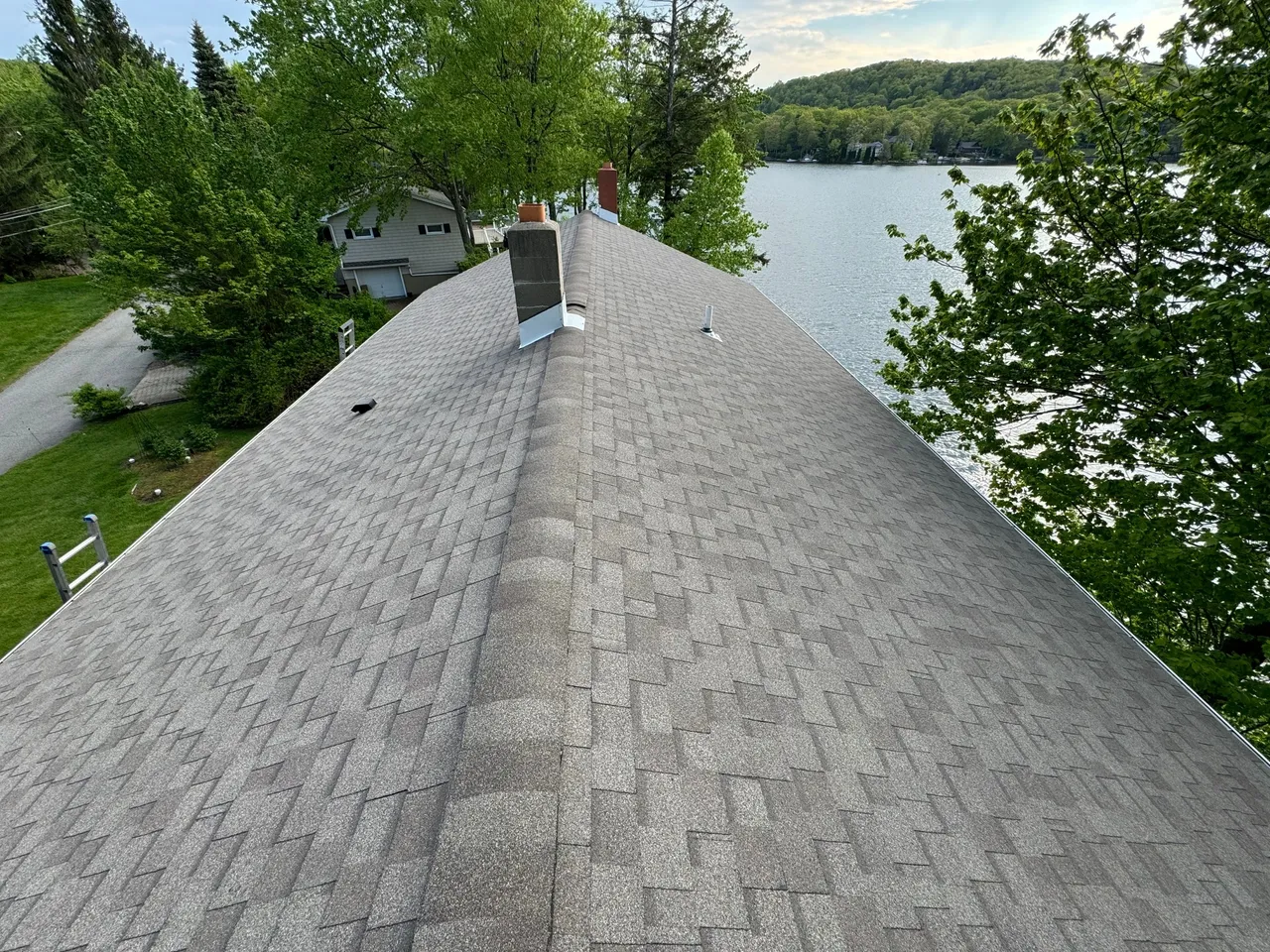
A roof replacement can transform a home, but it can also leave a hard lesson in the yard if the work is not managed carefully. Most homeowners think about shingles, flashing, ventilation, and color choices. Fewer think about what happens to the hydrangeas under the eaves, the Japanese maple near the driveway, or the fresh sod installed last spring. Yet those details matter. A roof is temporary jobsite chaos sitting directly above some of the most vulnerable parts of your property.
That is especially true in suburban neighborhoods where homes sit on established lots with foundation beds, ornamental trees, retaining walls, paver walks, and irrigation lines packed into relatively tight spaces. In Roof Replacement Succasunna, NJ projects, I have seen homeowners do a great job selecting a roofing contractor and still get surprised by what lands on the ground. Old shingles slide. Nails scatter. Wheelbarrows rut wet lawns. Plywood and bundles get staged where there is room, not always where there should be room. The result can be compacted soil, broken branches, bruised shrubs, and hidden debris that shows up weeks later in mower tires.
The good news is that landscape damage is not inevitable. Most of it can be prevented with planning, clear communication, and a realistic understanding of how roof work actually unfolds. The goal is not to create a perfect zero-impact environment, because that is rarely possible on an active exterior job. The goal is to reduce risk, protect the most valuable and fragile areas, and set practical boundaries before the first bundle is delivered.
Why roofing projects are rough on planted areas
Roof replacement is a demolition and installation job happening above a finished landscape. That creates two kinds of stress. The first is direct impact from debris and foot traffic. The second is indirect stress, which includes soil compaction, heat, dust, and altered drainage if materials are staged poorly.
Many homeowners picture roofers working neatly overhead while a dumpster catches everything. Real jobs are messier. Crews tear off old roofing in sections. Debris is guided, dropped, shoveled, and carried. Workers move fast because exposed decking and weather windows do not leave much room for delay. Even a careful crew can send grit, nails, and shingle fragments beyond the obvious work zone.
Landscaping close to the house is at greatest risk. Foundation shrubs often take the first hit. They sit exactly where old shingles slide off. Smaller ornamental trees can lose tips and branches if they are rubbing the roofline or overhanging staging zones. Container plants, low-voltage lighting, edging, and drip irrigation are easy to overlook in the rush of setup. Freshly mulched beds can hide debris, and soft lawns can show every wheel track if the project lands after rain.
Succasunna properties also have a few local realities that can make things trickier. Mature shade trees are common, and they narrow access. Sloped driveways and rolling yards can limit dumpster placement. Spring and summer storms can soften soil overnight. Fall roofing season often overlaps with leaf drop, which already stresses gutter lines and cleanup. None of these factors make the job unworkable, but they do mean that protecting the yard needs to be discussed as seriously as ridge vents and underlayment.
Start with the plants that would be hardest to replace
Not all landscaping deserves the same level of protection. If you try to safeguard every blade of grass equally, you will waste effort on areas that recover easily and miss the features that would be expensive or impossible to restore.
A mature tree usually matters more than annual flowers. A rare specimen shrub matters more than a patch of lawn that can be reseeded. Stone edging and hardscape near the home deserve attention too, because they can chip under falling debris and can be costly to match later. Irrigation components also rank high on the priority list. A broken sprinkler head is cheap to replace, but a crushed lateral line under a staging area can become a frustrating excavation.
Walk your property with this in mind. Stand near the house and look outward from the perspective of a roofer. Where will debris naturally fall? Where can a truck or trailer turn? Where might workers carry plywood or bundles by hand? Where is the only practical space for a dumpster? Those are your exposure zones. Then identify what cannot take abuse. That might be a row of boxwoods planted three feet off the foundation, a bluestone path beside the driveway, or new sod that has not rooted deeply yet.
Homeowners who do this before signing a contract usually get better results than those who mention it on install day. By then, the crew is trying to start, materials are arriving, and decisions get rushed.
The pre-job walk-through matters more than people think
A thorough walk-through with the contractor is where landscape protection shifts from vague hope to documented job planning. This should happen before materials show up. If you wait until the morning of the tear-off, everyone is already in motion.
Ask the project manager or crew leader to walk the perimeter with you. Point out specific plants, irrigation zones, lighting, drainage features, and fragile hardscape. It helps to be concrete. “Please protect the maple by the left front corner” gets better results than “watch the landscaping.” If a plant is newly installed, say so. Young material often has weaker stems and shallower root systems.
This is also the time to ask how the crew plans to control debris. Some crews use tarps and plywood strategically. Others rely on chute placement, laborers on the ground, and magnetic cleanup passes. There is no single perfect method for every home, but there should be a method. If the answer is vague, that is a warning sign.
A good contractor will also tell you what they cannot guarantee. That honesty is useful. For example, a crew may be able to protect shrubs along one side of the house with plywood lean-tos, but they may still need to step into adjacent beds occasionally to handle flashing work or chimney details. It is better to hear that in advance than discover crushed liriope after the fact.
Simple protections that make a real difference
Landscape protection does not always require elaborate barriers. Often, basic materials used thoughtfully do the job. Plywood sheets can shield low shrubs from sliding debris. Breathable tarps can catch grit while avoiding the heat buildup that plastic can create on tender plants if left too long in direct sun. Temporary fencing can keep foot traffic out of a vulnerable bed. Marking flags can identify hidden sprinkler heads and drip emitters.
Timing matters too. If possible, trim back plants that are touching the house before the roof crew arrives. This gives workers cleaner access and reduces branch breakage. Tie back flexible shrubs loosely with soft material if they tend to spring into work areas. Move potted plants, garden décor, and lightweight furniture well away from the perimeter. It sounds obvious, but I have seen plenty of cracked ceramic planters left right below a valley section because no one thought to relocate them.
If your property includes an irrigation system, know where the controller is and consider leaving the affected zones off during the job and immediately after, especially if cleanup is still underway. Wet ground is easier to rut, and muddy beds trap roofing debris.
Here are the most useful pre-project actions for homeowners:
- Photograph all sides of the house, including beds, lawn edges, trees, pavers, and any existing damage.
- Mark irrigation heads, invisible dog fence lines, and low-voltage lighting near the work zone.
- Move portable items such as planters, hose reels, birdbaths, and patio accessories away from the house.
- Ask where dumpsters, trailers, and material stacks will go, then protect that path and area if needed.
- Water stressed plants the day before the project, but avoid saturating the soil.
That last point deserves a note of judgment. Hydrated plants tolerate stress better, but soggy soil compacts quickly under even light traffic. Aim for normal moisture, not a soaked landscape.
Dumpsters, delivery paths, and lawn damage
On many homes, the biggest landscape problem is not the roofing itself. It is access. Heavy trucks and dumpsters can do more harm than falling shingles if they are parked in the wrong place or brought in during wet conditions.
Driveways are usually the safest spot for dumpsters, but not every driveway is wide enough or close enough to the tear-off side. If a truck has to cross a lawn, even once, soil compaction becomes a serious concern. Compacted soil does not just look bad at the surface. It restricts oxygen at the root zone, holds water differently, and can weaken turf and plantings long after the roof is finished.
Protection in those cases is about load distribution. Thick plywood can help, though it is not magic for very heavy equipment. Ground protection mats do better if the contractor has access to them. If the site is narrow, it may be worth discussing whether materials can be hand-carried from a less damaging staging area rather than dropped at the nearest open spot.
One homeowner in Morris County learned this the hard way after a late spring replacement. The roof looked excellent. The lawn along the side yard did not. Repeated wheelbarrow traffic on damp turf created two channels that held water all summer. The sod never fully recovered without regrading. The problem was not negligence as much as poor planning. There had been another route, but it was longer, and nobody made a decision early enough to use it.
For Roof Replacement Succasunna, NJ jobs on properties with limited access, this is one of the most important conversations to have in advance: what path will people and materials actually take, and what will that path do to the ground if weather changes mid-project?
Shrubs under the eaves need special handling
Foundation shrubs are the classic casualties of roofing work. They are right where tear-off debris lands, and they are often planted tightly against the house with little room for protection systems.
The best approach depends on the plant. Dense evergreen shrubs such as boxwood can handle a protective plywood tent better than taller, airy flowering shrubs that snap under weight. Broadleaf evergreens can scorch if covered with non-breathable plastic in heat. Delicate hydrangea stems can break if tied too tightly. The point is that “cover the bushes” is not detailed enough.
For lower, sturdy shrubs, angled plywood can create a hard deflection surface so debris slides away instead of crushing the plant. For softer plants, a frame that holds material above the foliage is better than laying anything directly on top. If the plant is already overgrown and pressing into the work area, pruning before the project often does more good than trying to shield every branch.
There is Roof Replacement Succasunna, NJ also a practical limit to what protection can achieve. If a shrub mass is planted directly below a steep roof edge where multiple layers must be torn off, some branch damage may happen even with careful setup. That is not ideal, but it can be manageable if the plant is healthy and the crew avoids repeated trampling.
Trees near the roofline create a different set of risks
Trees close to the house are valuable assets, but they complicate roof work. Low limbs interfere with access, and branches can catch falling debris, sending it in odd directions. Workers may pull or push limbs aside to reach valleys, step flashing, or gutters. That can split smaller branches or strip bark.
If a limb is truly in the way, decide ahead of time whether a light trim is appropriate. This is better done deliberately than improvised by a roofing crew in the middle of the job. No reputable roofer wants to take on tree work casually, and homeowners should not expect them to. If pruning is needed, arrange it separately or ask whether the contractor wants it done before installation day.
Root zones matter too. Mature trees can be stressed by repeated traffic over the same soil area, even if the canopy never gets touched. That is one reason staging materials beneath a prized tree is a poor choice, especially in warm weather when roots are already balancing moisture demands.
Cleanup is where good intentions get tested
Many homeowners judge a roofing company by the roofline. A smarter measure is the cleanup. A project can look tidy from the street and still leave enough nails, granules, and debris in the beds to create weeks of aggravation.
Magnetic rolling works well on exposed lawn and driveway surfaces, but it does less in thick mulch, gravel, or dense groundcover. That means landscape beds often need hand cleanup. Ask whether this is part of the standard process. It should be. Nail fragments hidden in mulch are common, and they tend to appear later when someone weeds, refreshes edging, or lets a dog roam near the foundation.
A final walk-around should include more than a glance. Look in the gutters of lower roof sections if any debris could have collected there. Check behind shrubs, around AC pads, along fence lines, and in decorative stone. If your property has window wells or basement stairwells, inspect them too. Roofing debris has a way of finding the oddest corners.
This is also a good time to assess whether anything needs immediate horticultural attention. Broken branches should be pruned cleanly. Flattened perennials may rebound if they are lightly rinsed and left alone, but split woody stems usually need a proper cut. If soil around root zones has compacted visibly, a shallow topdressing and careful watering plan may help, though severe compaction can require more involved remediation.
What to ask your roofer before work begins
A few direct questions Roof Replacement Succasunna, NJ can reveal whether a contractor thinks seriously about property protection or treats it as an afterthought.
- How will you protect shrubs and beds directly below tear-off areas?
- Where will the dumpster and materials be placed, and how will you protect the surface underneath?
- Who is responsible for daily cleanup and final magnetic sweep, especially in planting beds?
- What happens if rain softens the yard and access needs to change mid-job?
- Will the crew leader walk the property with me before and after the project?
These questions are not adversarial. Good contractors usually welcome them. They show that the homeowner is organized and cares about the site. That often leads to a more disciplined project overall.
Weather changes the plan, whether anyone likes it or not
Roofing schedules are built around weather, but landscape protection should be too. Dry, firm ground can handle moderate activity that would become a mess after a night of rain. Wind can blow debris farther into beds than expected. High heat can turn a covered shrub into a stressed shrub in just a few hours.
That means the best plan is often a flexible one. If rain is forecast, it may be smarter to delay dumpster placement on a lawn edge. If a hot day is expected, breathable coverings should be installed as late as possible and removed as soon as practical. If a windier side of the house has delicate plantings, that may be the wrong side for staging torn-off material, even if it is the shortest route.
Homeowners sometimes worry that asking for these adjustments will sound difficult. It usually does not. It sounds prepared. In my experience, crews appreciate a property owner who understands that site conditions matter and is willing to talk specifics rather than react after damage occurs.
When some damage is unavoidable, document and address it quickly
Even well-managed jobs can leave minor landscape impacts. A branch may snap. Turf may flatten. Mulch may get mixed with granules and need refreshing. The difference between a manageable issue and a lingering dispute is how quickly it is identified and handled.
Before the project starts, take clear photos from multiple angles. Not because you expect a fight, but because memory is unreliable once the site changes. If something does get damaged, document it right away and discuss it with the project manager while the crew is still engaged. Small fixes are easiest to solve immediately. A bent gutter extension, a broken path light, or a crushed edge course of stone can often be addressed before demobilization.
Be reasonable about what counts as actual damage. A few scuffed leaves on a hardy shrub are not the same as a shattered ornamental tree. At the same time, do not ignore legitimate harm because you feel awkward bringing it up. Landscape elements are part of the property, and protection should be part of professional job execution.
A roof job should end with your yard still feeling like your yard
The best roofing projects leave homeowners talking about craftsmanship, not collateral damage. That outcome rarely happens by accident. It comes from identifying vulnerable areas, discussing access honestly, protecting what matters most, and inspecting the site with the same care given to the new shingles above.
For homeowners planning Roof Replacement Succasunna, NJ work, the key is to treat landscaping as part of the project scope, not as scenery around it. Your roof may be the headline upgrade, but the beds, lawn, walkways, and trees shape how the whole property lives day to day. Protect them early, and the project ends where it should, with a sound roof overhead and a yard that still looks like home.
Royalty Exteriors
151 NJ-10 Suite 103A, Succasunna, NJ 07876, United States
+1 973-333-7234
FAQ About Roof Replacement Succasunna, NJ
What are signs a roof needs replacing?
Widespread shingle deterioration, repeated leaks, or damaged decking can point to a larger problem. A roofer can inspect the roof covering, flashing, and deck to determine whether the damage is localized or whether replacement makes more sense.
How long does it take to reroof a 2000 square foot house?
Royalty Exteriors estimates one to three days for many single-family roof replacements. A house’s floor area does not tell you the actual roof area. Pitch, roof features, weather, and any decking repairs can change the schedule.
How long should a roof last in NJ?
There is no single lifespan for every roof. Material, installation quality, attic ventilation, maintenance, and exposure to storms all affect how long a roof remains serviceable. An inspection can help you assess its condition and plan for replacement.